
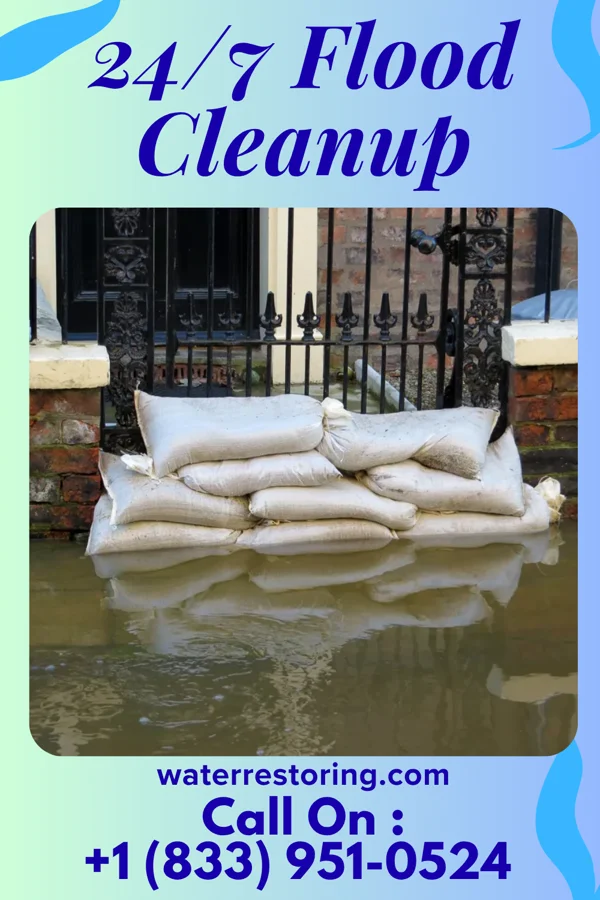
Why Lyndonville Floods Need 24/7 Response
Most water damage emergencies in Lyndonville start with heavy rainfall and coastal storm systems overwhelming storm drains. A close second is aging stormwater infrastructure overwhelmed during prolonged rain events. From the second water touches the property, every minute changes what gets saved and what gets ripped out.
Lyndonville's humid subtropical climate brings frequent summer thunderstorms, while its proximity to Lake Ontario increases the risk of winter flooding from nor'easters. The area's flat terrain and dense waterways contribute to rapid water accumulation during heavy rainfall.
Most 24/7 flood cleanup calls in Lyndonville come from heavy rainfall and coastal storm systems overwhelming storm drains. Running a close second is aging stormwater infrastructure overwhelmed during prolonged rain events. Local mold risk: Mold can begin to grow within 24-48 hours after flooding, especially in basements and crawl spaces common in Lyndonville homes. Prompt water extraction and drying are critical to prevent long-term structural and health issues.
For public guidance on the health effects of mold after prolonged water exposure, see the EPA mold and health page.